



Choosing between a knuckle boom and a telescopic truck crane is a question of load handling and vehicle layout, not a universal ranking. A folding articulated design and a straighter telescopic design arrange their movements and transport space differently. Both must be assessed through the load chart, installation and actual job sequence.
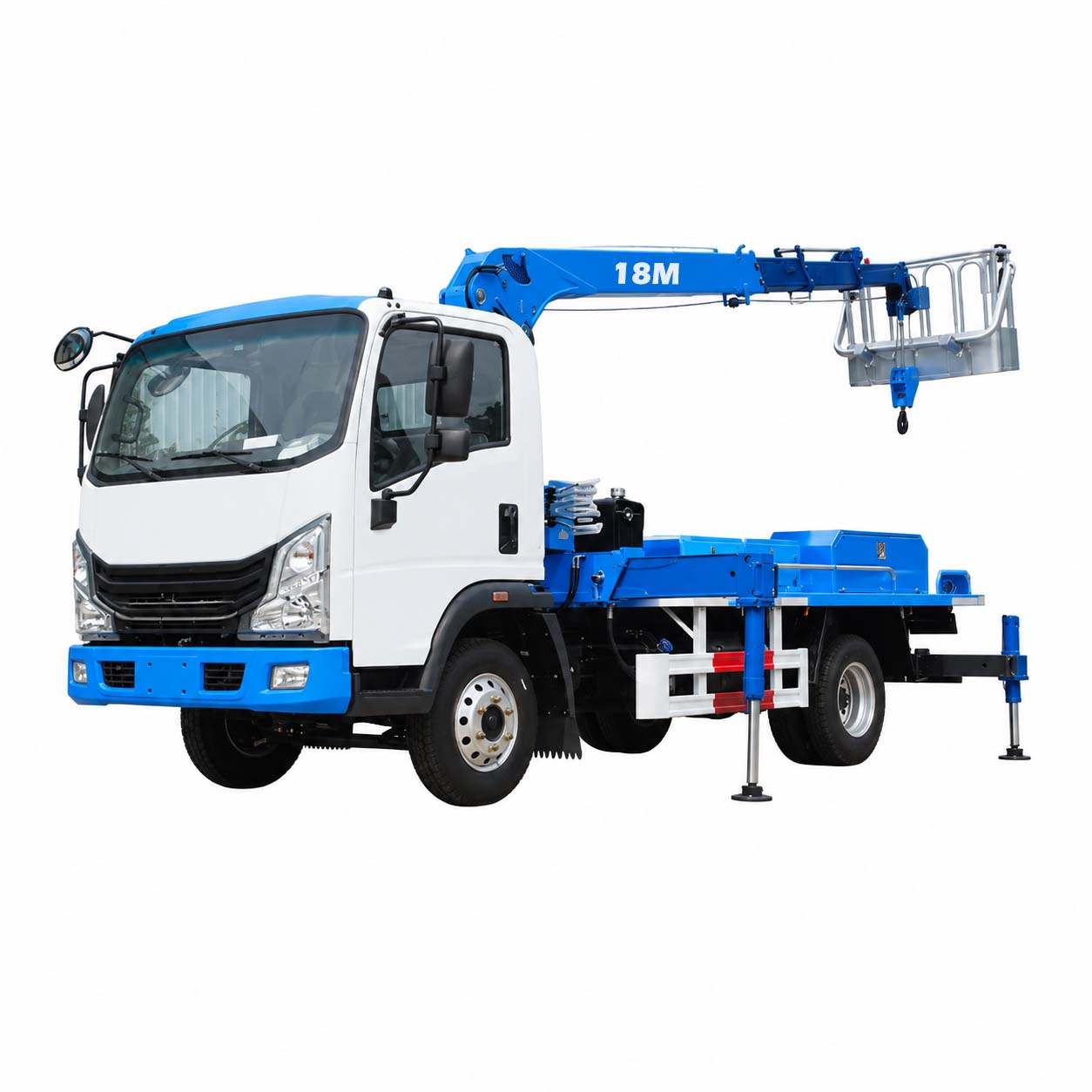
Buyers should also clarify terminology. A road-going mobile crane and a cargo truck fitted with a loader crane may both be advertised as a “truck crane,” although their transport duties and installation arrangements differ substantially.
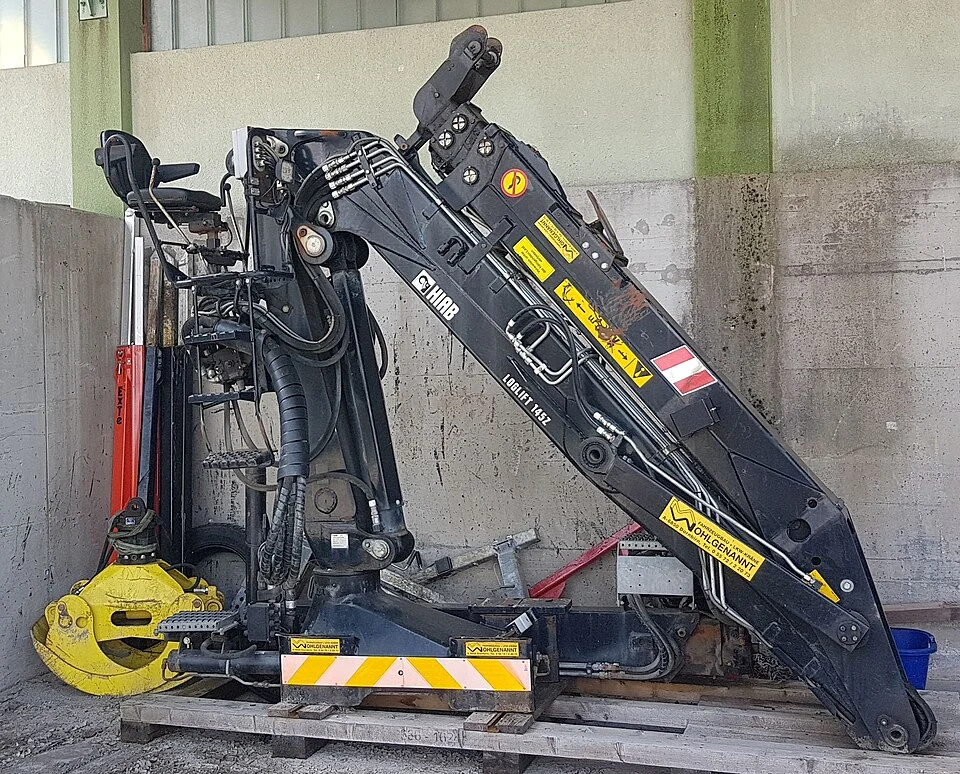
Key takeaway: Compare folding and telescopic loader crane layouts by load path, working radius, transport space and the configuration required for your truck.
Describe how the load must move
Record where the load starts, where it finishes and which obstacles sit between them. Articulation can be useful for certain confined placements or folding arrangements, but it does not guarantee access around every obstacle. Telescopic layouts also vary in geometry, available attachments and lifting methods. Compare the specific movement path rather than judging a machine by the outline of its boom.
Compare capacity at your actual radius
Nominal tonnage and maximum reach alone do not show whether either design can complete the job. Request charts for the proposed configuration, including stabilizers, lifting sector and any jib or attachment. Ask how suspended accessories are included. HSE’s lifting-planning guidance emphasizes adequate strength and stability along with positioning and foreseeable operating hazards.
Review stowage and cargo requirements together
A folded crane can still occupy valuable bed space and contribute substantial mass. A long stowed boom can affect clearance or vehicle arrangement. Discuss crane mounting position, bed dimensions, gross vehicle mass and axle loads with the installer. The remaining legal payload must be established for the finished vehicle, not assumed from the bare chassis rating.
Check attachments and controls against the task
A grapple, rotator, winch or jib changes the proposed configuration. Confirm compatibility, weight, operating limits and relevant charts before including it in the order. Radio control may help an operator choose a viewpoint, but does not remove the need for visibility, a controlled load path and agreed communication where a signaler is required.
Look beyond the purchase price
Consider inspection access, local chassis support, replacement-part identification and the information supplied at handover. Ask for the maintenance instructions and agreed support scope for the exact equipment. A cheaper machine that cannot negotiate the load route or legally carry the intended cargo will not meet the original transport-and-lifting requirement.
Practical checklist
- Load mass, dimensions and pick/placement coordinates.
- Specific chart, crane configuration and permitted lifting sectors.
- Stowed dimensions, cargo deck and finished-vehicle axle loads.
- Attachments, control arrangements and local maintenance support.
Frequently asked question
Which boom type has more lifting capacity?
Neither type is always stronger. Capacity depends on the selected model, reach, geometry, installation and operating configuration. Compare the approved charts at the same intended load positions, including accessory requirements. The machine that completes the planned task within those limits is the relevant comparison.
Discuss your application with TRODAT
Explore our truck mounted cranes and selection and configuration services. Send your equipment requirements, destination country and site information so we can discuss the appropriate model and supply scope.
Sources and further reading
- HSE: Planning and organising lifting operations
- HSE: Lifting Operations and Lifting Equipment Regulations
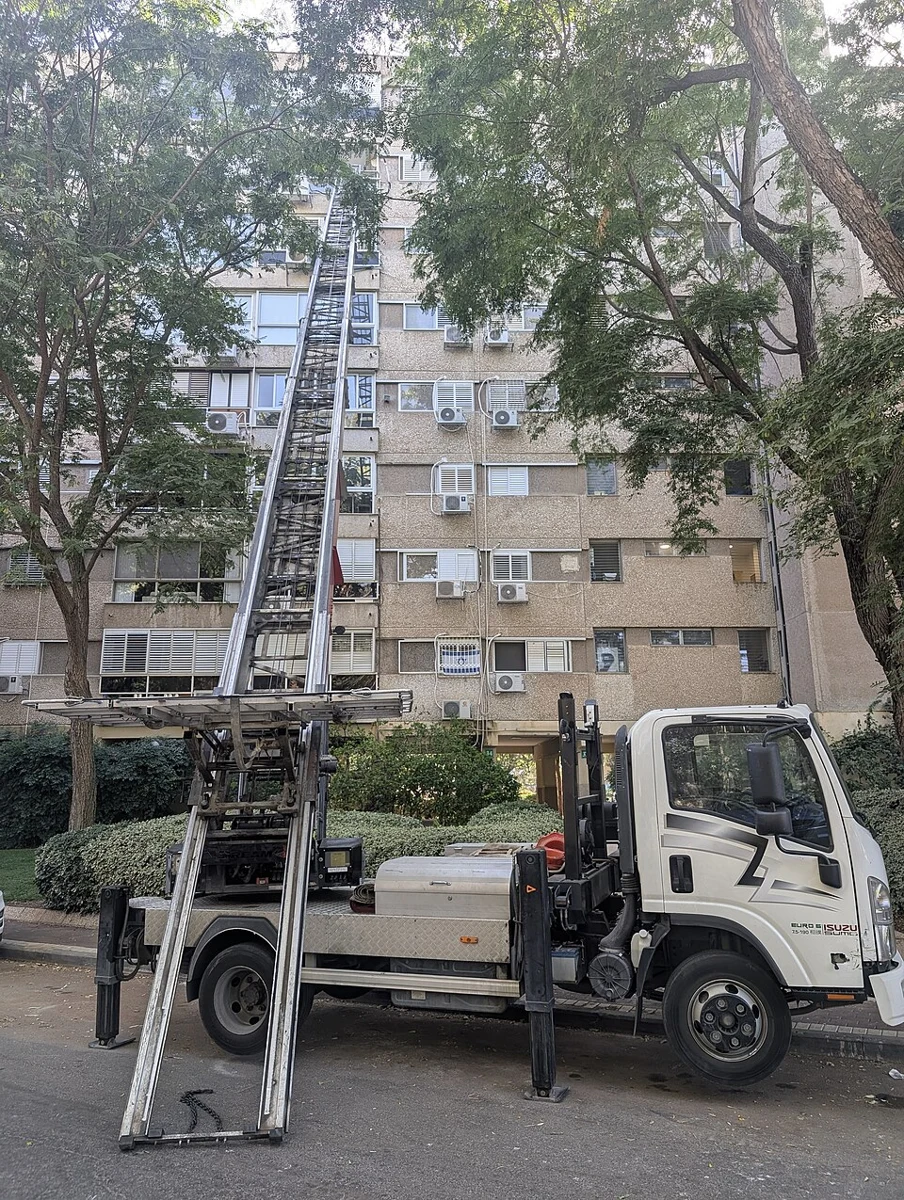
Sources reviewed 22 October 2026. This article summarizes general selection and planning considerations. Use the instructions and approved limits for the supplied equipment; regulatory requirements vary by destination. Referenced third-party equipment is shown for industry context.

Post Comment