



A truck-mounted crane load chart describes permitted lifting performance for specified configurations. The model’s nominal tonnage is not a promise that it can lift that weight at every reach. Buyers should identify the load, the pick and placement positions, and the complete movement between them before comparing crane offers.
This guide explains the questions to ask about a chart. It does not supply substitute lifting limits: the approved chart and instructions for the actual vehicle remain necessary for planning the job.
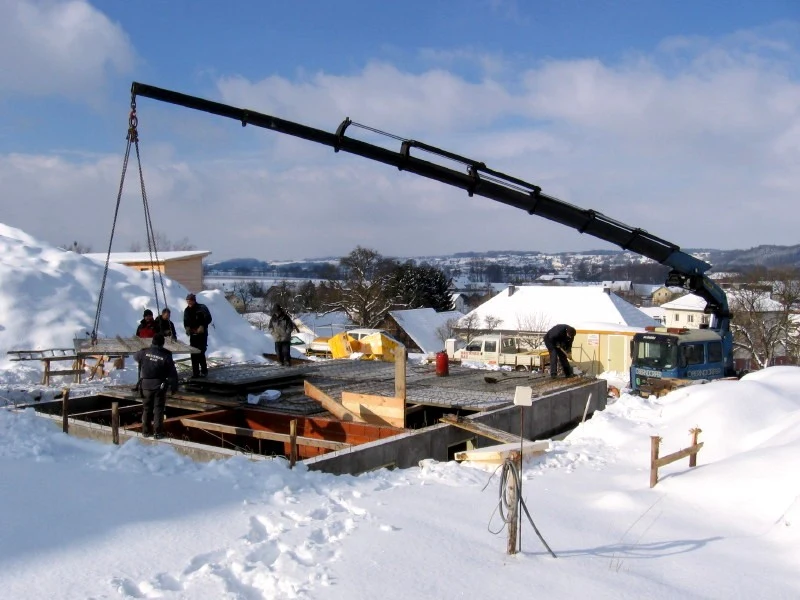
Key takeaway: Learn why crane capacity changes with radius and configuration, and what information buyers should request before choosing a truck-mounted crane.
What does working radius measure?
Working radius is generally the horizontal distance between the crane’s rotation axis and the load’s vertical line. It is not simply the distance from the truck side or the length of the boom. Confirm the diagram’s reference point. The pick position and final position can have different radii, and the greatest demand may occur during the movement between them.
Why capacity usually falls as reach increases
Moving the same load farther from the crane increases its overturning moment. In a simplified illustration, a 1,000 kg load at 3 m creates a load moment of 3,000 kg·m; at 6 m that becomes 6,000 kg·m. These figures explain the relationship only. They exclude boom weight, geometry, dynamic effects and structural restrictions, so they cannot be used to calculate a safe capacity.
Read the configuration before the capacity figure
Check boom extension, jib or attachment, stabilizer arrangement, lifting sector and any other conditions printed with the chart. Do not transfer a value from one configuration to another. Some installations have different performance over different sectors of the truck. A similar-looking crane fitted to another chassis is not evidence that its chart applies to yours.
Account for the complete suspended arrangement
Provide the load mass, dimensions, center of gravity and proposed lifting accessories. Ask the supplier how hook blocks, slings, attachments and other suspended items are treated in the chart and controller. Avoid deducting or adding items by assumption. HSE’s lifting-planning guidance includes overload, attaching loads, visibility and proximity hazards among the issues that planning should address.
Use the chart throughout the planned movement
A lift can start within the permitted envelope and become unsuitable as the load moves. Plan pick, slew and placement positions and consider obstacles or restrictions that change the route. The lifting plan needs competent people and appropriate supervision. A load-moment limiter supports the operation; it does not replace a suitable plan or authorize operating beyond the chart.
Practical checklist
- Verified load weight and center of gravity.
- Pick, maximum travel and placement radii.
- Exact crane, chassis and stabilizer configuration.
- Approved chart, accessory treatment and operating restrictions.
Frequently asked question
Can I estimate capacity by dividing a tonne-metre rating by radius?
Not for an actual lift. That calculation ignores configuration, boom weight, stability and structural limits. It may explain a basic moment relationship but cannot establish the permitted load. Use the approved chart for the supplied installation and have the intended movement reviewed by a competent lifting planner.
Discuss your application with TRODAT
Explore our truck mounted cranes و selection and configuration services. Send your equipment requirements, destination country and site information so we can discuss the appropriate model and supply scope.
Sources and further reading
- HSE: Planning and organising lifting operations
- HSE: Lifting Operations and Lifting Equipment Regulations
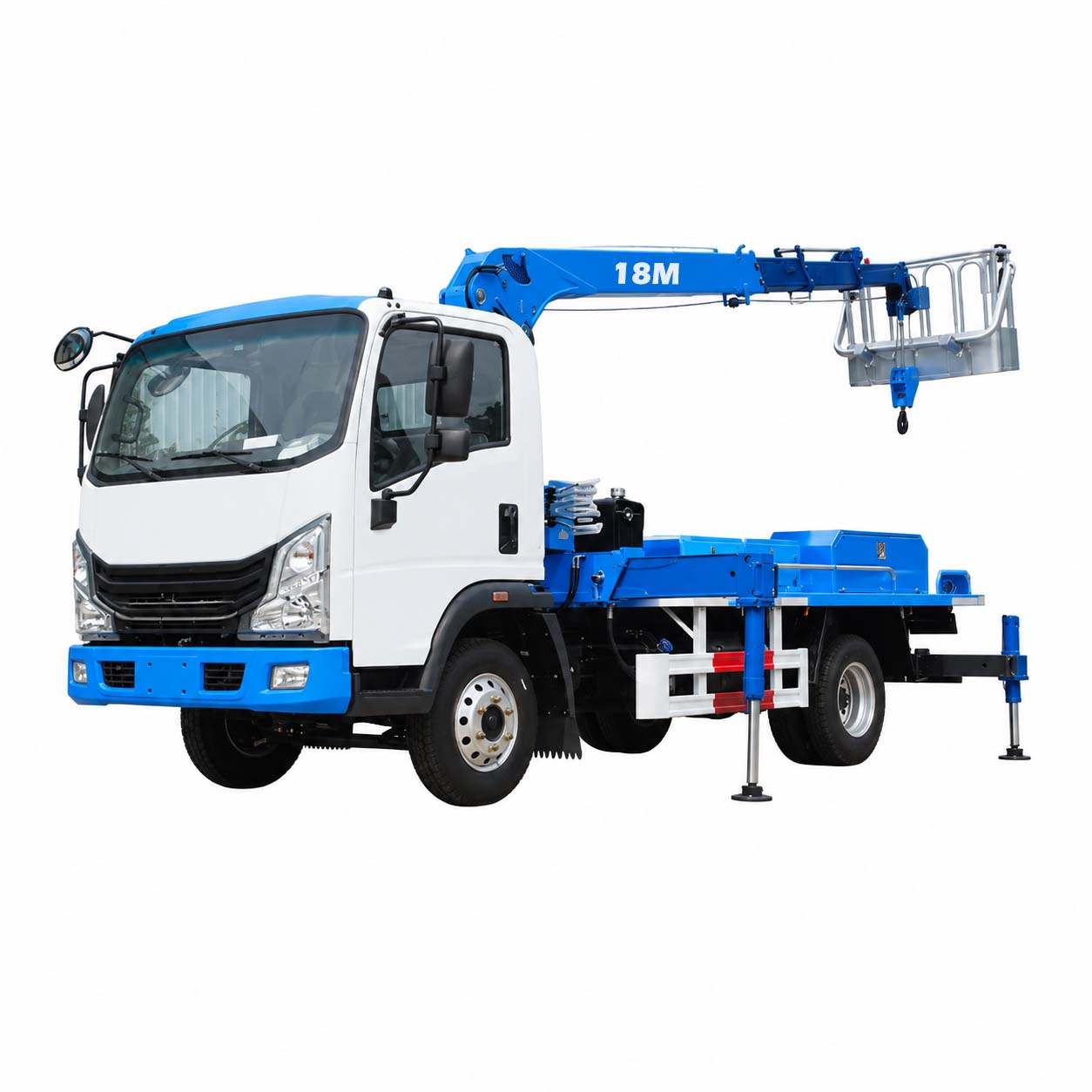
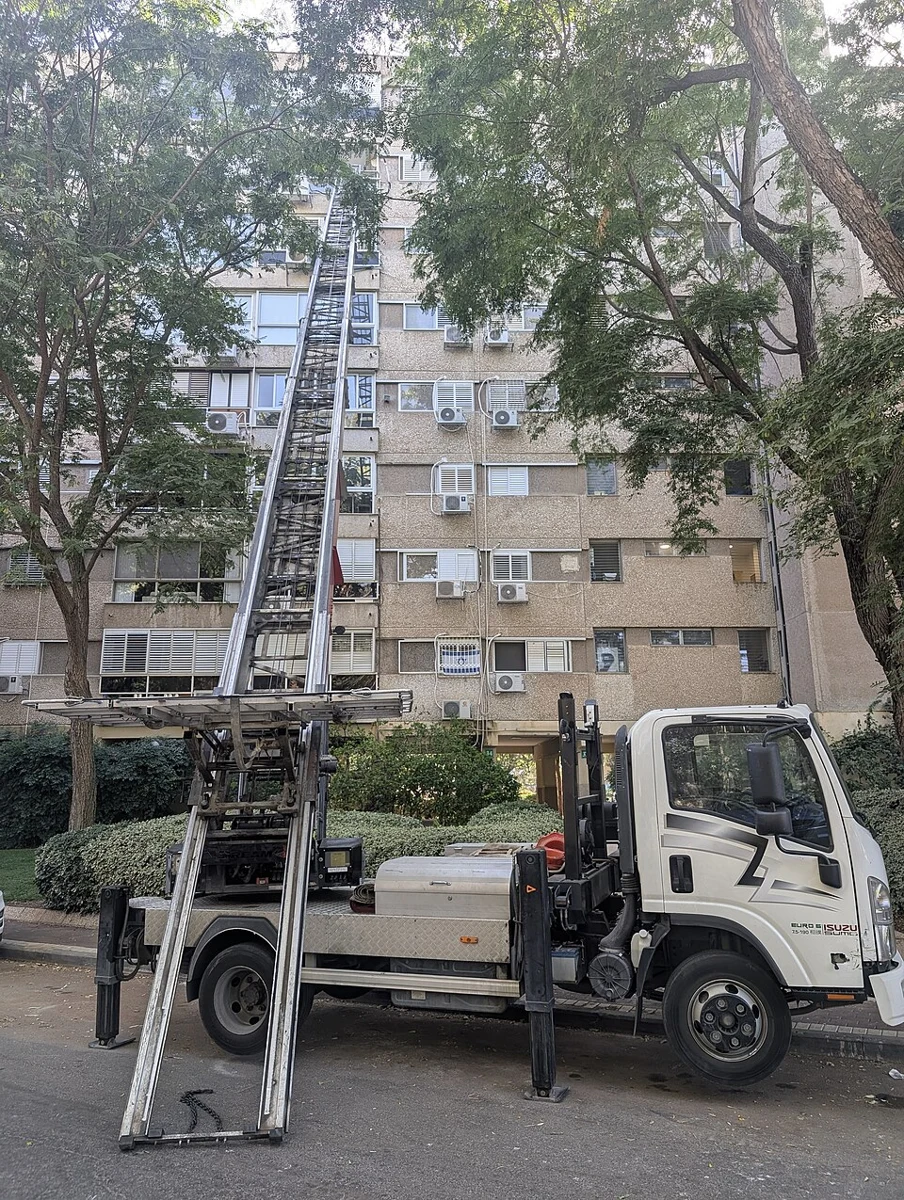
Sources reviewed 22 October 2026. This article summarizes general selection and planning considerations. Use the instructions and approved limits for the supplied equipment; regulatory requirements vary by destination. Referenced third-party equipment is shown for industry context.

أضف تعليقًا