



An aerial work platform truck, a truck-mounted crane and a ladder lift truck can all move something above ground, but they serve different tasks. An aerial platform provides a work position for people; a crane handles suspended loads; a material ladder lift transfers goods along an inclined route. Selection should follow the task and the specific equipment approval.
For an international buyer building a fleet, this distinction prevents requests for one machine to perform duties outside its design. Start with what must move, where it must go and what the people involved need to do there.
Key takeaway: Compare aerial work platform trucks, truck-mounted cranes and ladder lift trucks by the task they perform and the information needed for selection.
Choose an aerial platform for a supported work position
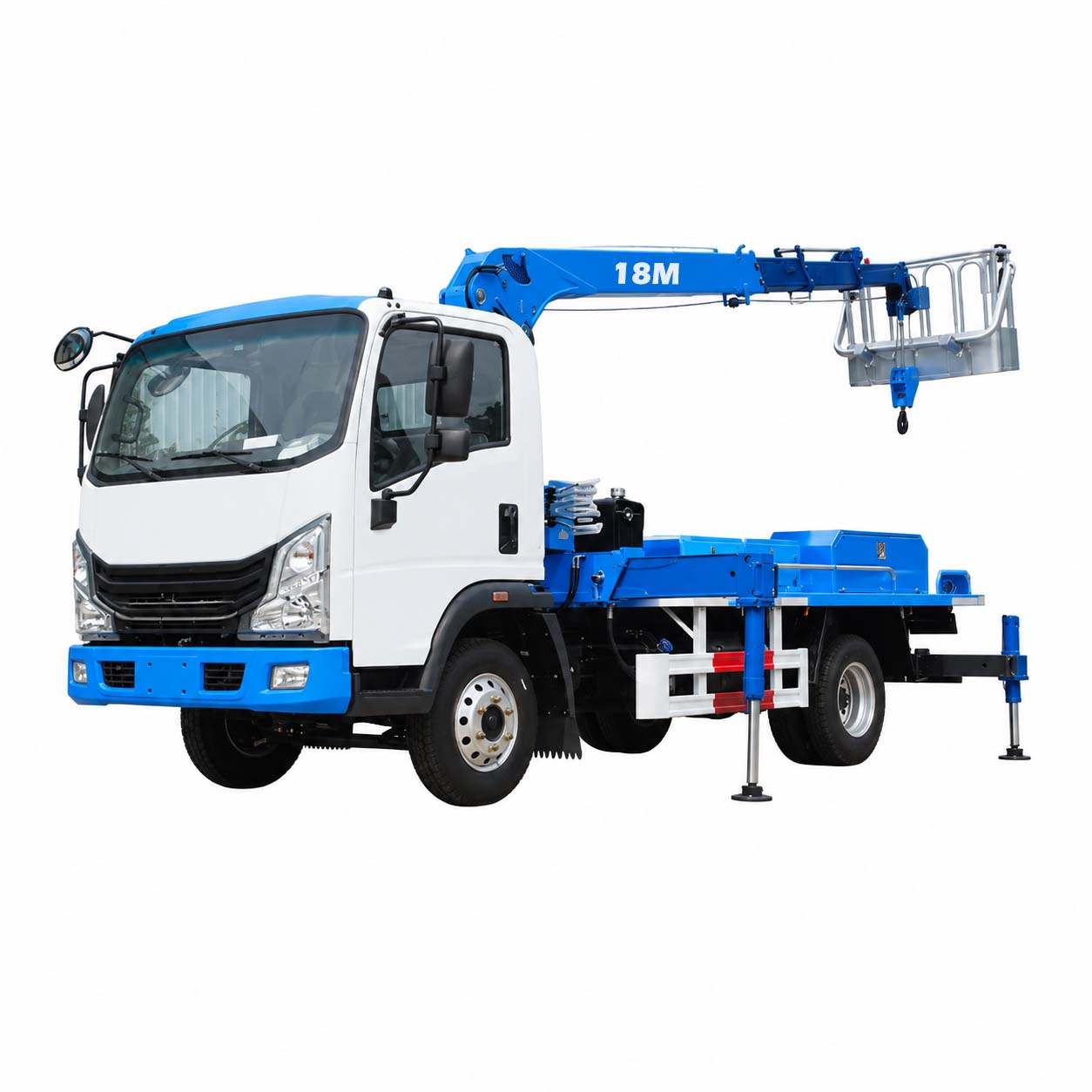
Building maintenance, lighting work and similar access tasks can require personnel to remain in an elevated basket. Compare platform loading, the work envelope, controls and rescue arrangements. HSE highlights entrapment, overturning, falling and collision as major hazards. The basket’s presence does not make the vehicle a general-purpose crane for freely suspended goods.
Choose a crane for controlled suspended-load handling
A loader crane can move materials between pick and placement points within the approved load chart and installation limits. The plan must address load attachment, center of gravity, radius, lifting sector, visibility and nearby hazards. A cargo bed may be useful, but crane installation and carried equipment also affect vehicle payload and axle loading.
Choose a ladder lift for a defined material-transfer route
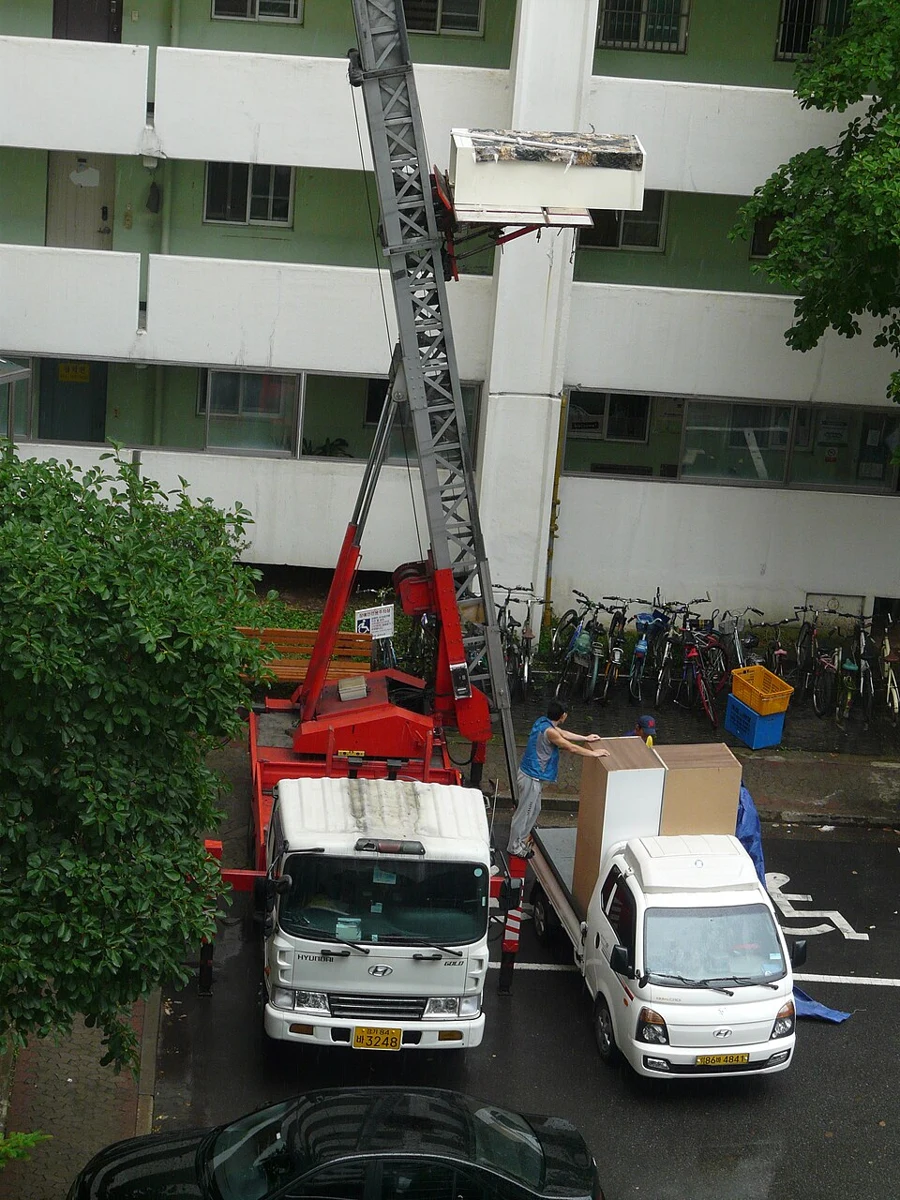
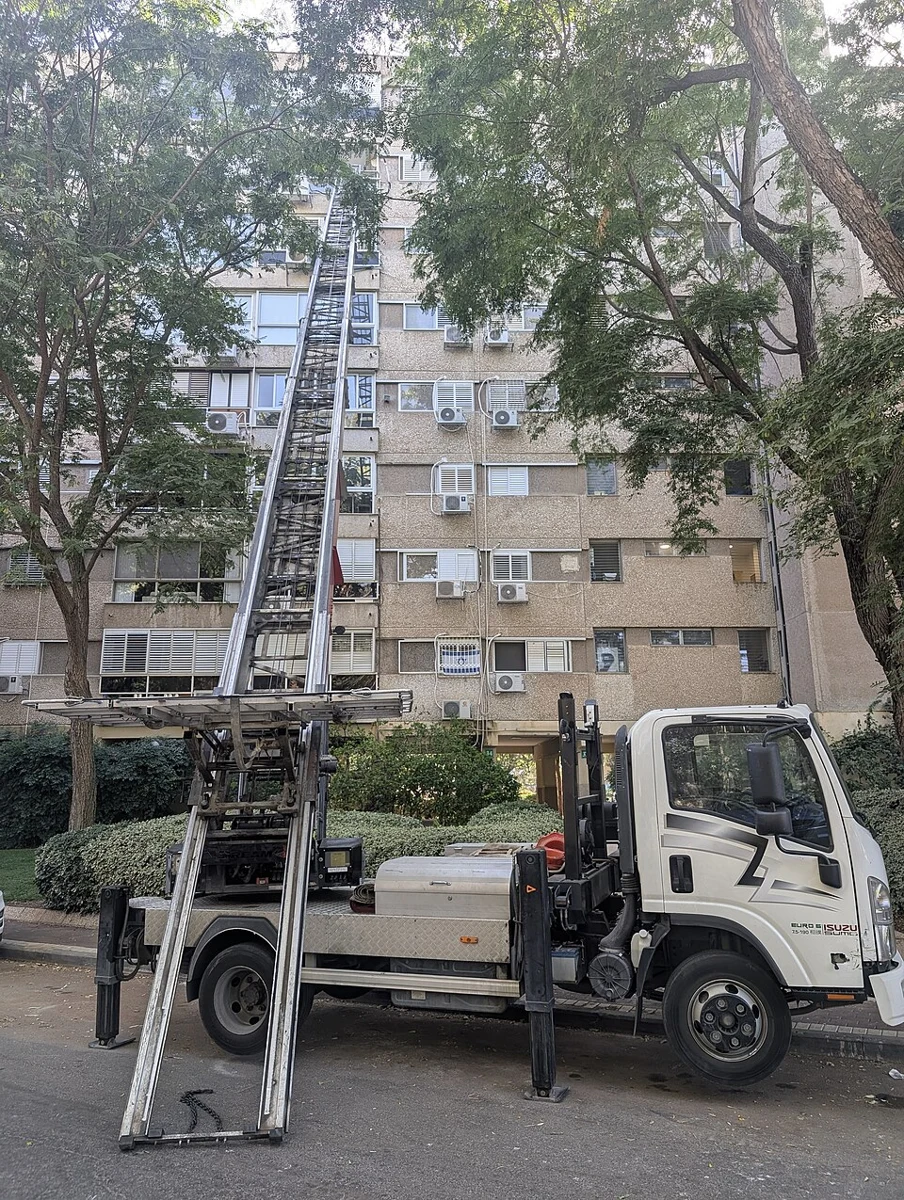
Inclined furniture and material lifts can be useful when bulky goods cannot pass through internal stairs or elevators. Their suitability depends on the delivery opening, setback, ladder geometry, platform loading and permitted receiving arrangements. A material lift is not automatically approved to carry workers, and its operating route is less flexible than a crane’s freely positioned load path.
Compare the complete job sequence
A roof project might need one system to place materials and another to provide safe access for installers. Describe ground loading, travel or movement, delivery, receiving and return steps. Using different equipment for different tasks can be more appropriate than asking a single vehicle to cover everything. The assessment should also account for traffic, pedestrians and overhead obstructions.
Write an inquiry based on the task
Send representative site photos, load or personnel requirements, measured height and reach, and destination country. Ask each supplier to state the intended use and limits of its proposed configuration. This makes offers comparable even when product names differ between markets, and helps avoid confusing maximum lifting height with working height or delivery height.
Practical checklist
- People requiring an elevated work position: assess an aerial platform.
- Suspended goods requiring placement: assess a suitable crane.
- Goods traveling to an upper receiving opening: assess a ladder lift.
- Mixed tasks: plan each stage and its equipment separately.
Frequently asked question
Can a single truck replace all three vehicle types?
Only if the supplied design and approvals expressly cover the required functions. Similar reach figures do not prove equivalent use. Review each proposed operation against the actual manual, load chart and personnel-lifting approval. Where a task falls outside that scope, use another suitable method or machine.
Discuss your application with TRODAT
Explore our specialized vehicle range و selection and configuration services. Send your equipment requirements, destination country and site information so we can discuss the appropriate model and supply scope.
Sources and further reading
- HSE: Mobile elevating work platforms
- Böcker: Furniture lifts
- HSE: Planning and organising lifting operations
Sources reviewed 22 October 2026. This article summarizes general selection and planning considerations. Use the instructions and approved limits for the supplied equipment; regulatory requirements vary by destination. Referenced third-party equipment is shown for industry context.

أضف تعليقًا