



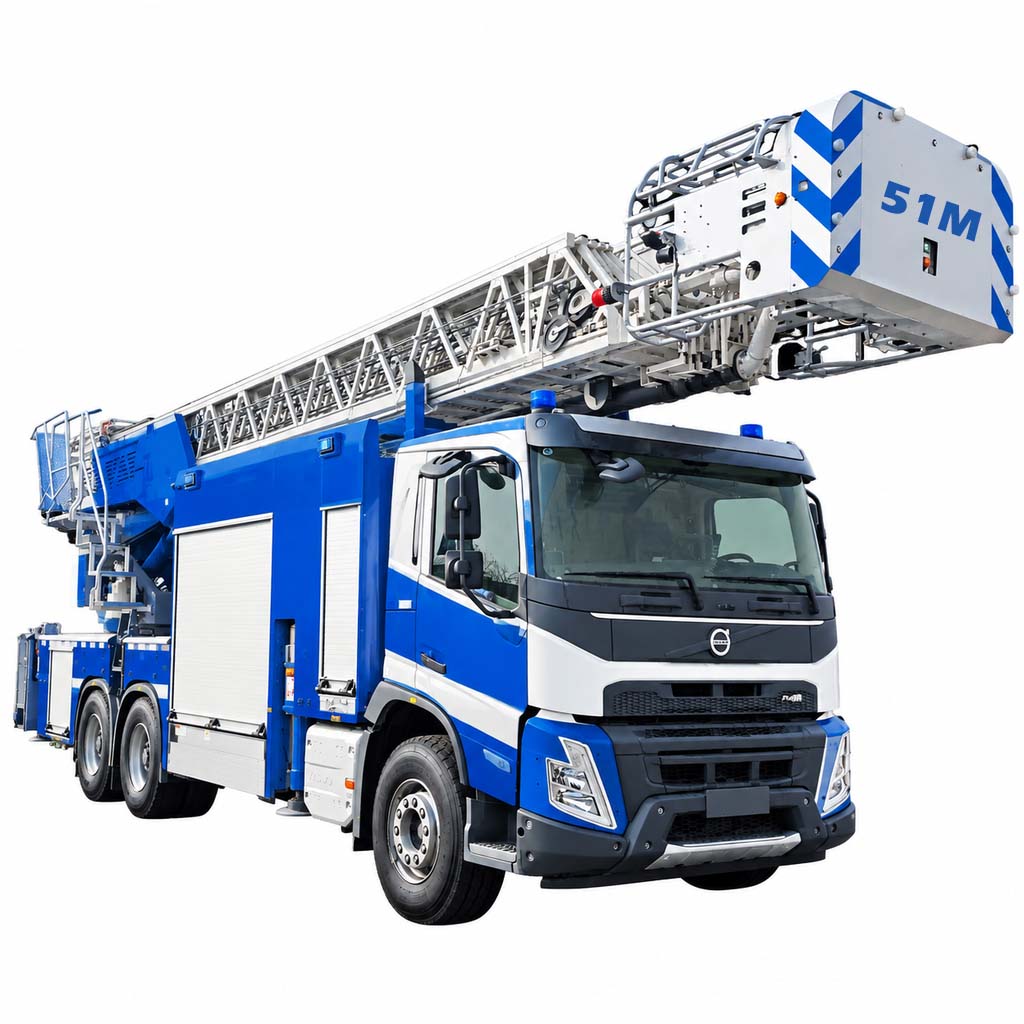
Support for day-to-day vehicle care
Prepare operators and maintenance staff with the instructions for the supplied chassis and superstructure. Aerial platforms, cranes and ladder lifts have different load limits and operating procedures, so information should be matched to the exact model.
Operating familiarization
- Pre-use inspections, setup area assessment and outrigger deployment.
- Control identification, operating limits and emergency procedures.
- Basket or material-platform loading and load distribution.
- Crane lifting plans, load charts and the effect of working radius.
- Stowing equipment and checking the vehicle before road travel.
Equipment familiarization does not replace any operator license, certification or training required by local law. Do not use a material-only platform to carry people unless the supplied equipment is expressly approved for that purpose.
Maintenance and fault reporting
Follow the supplied maintenance schedule for inspections, lubrication, hydraulic components, electrical systems and the chassis. For a technical inquiry, send the vehicle or equipment serial number, model, operating hours, fault description, error codes and clear photos or video. Stop operation if a safety-critical fault is suspected.
Replacement parts and service terms
Identify parts by serial number, component markings and photographs before ordering. Parts availability, compatibility, pricing and dispatch time require confirmation. Warranty coverage, remote support scope and any onsite service are governed by the agreed contract and warranty documents.
Contact TRODAT with your vehicle requirements to discuss the applicable service scope.