



Outriggers transfer substantial forces into the ground. A truck can be within its published lifting envelope yet become unstable if the supporting surface fails or an incorrect setup is used. Planning must therefore cover both equipment configuration and the ground beneath each support.
The same question matters across aerial work platform trucks, truck-mounted cranes and ladder lift trucks: can the proposed location safely support the selected machine throughout its intended operation? The vehicle’s road weight alone cannot answer it.
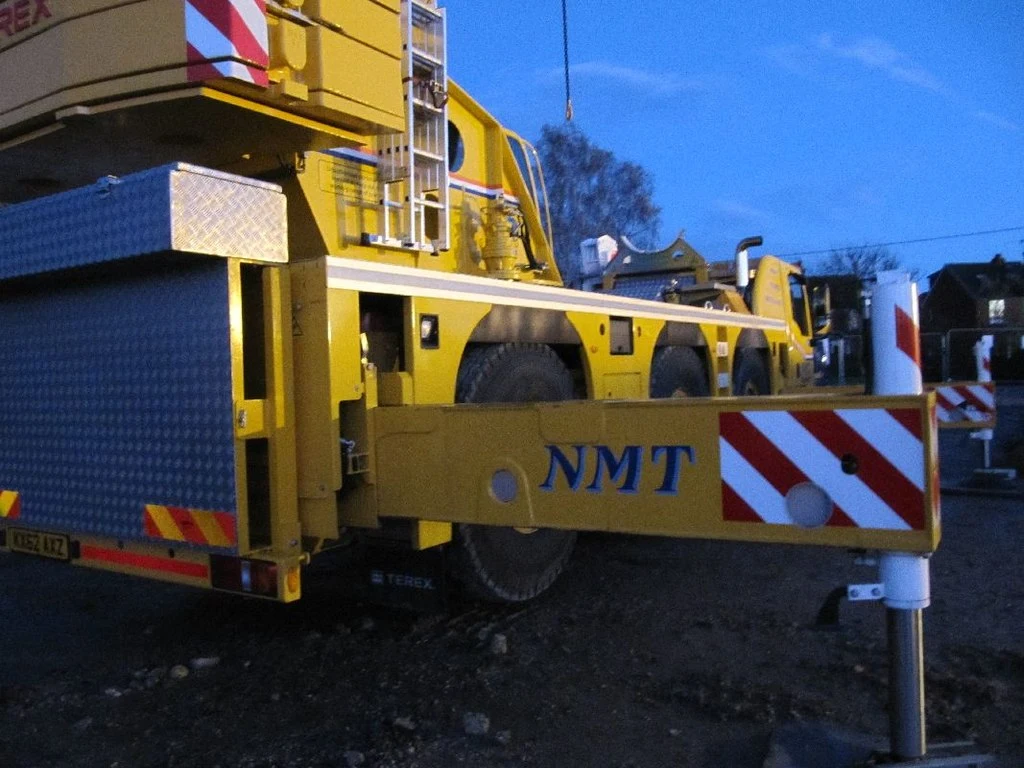
Key takeaway: Review ground conditions, underground hazards, support arrangements and stabilizer space before setting up an aerial platform, crane or ladder lift truck.
Inspect the whole supporting area
Look beyond the visible pavement. Service covers, basements, utility trenches, drains, excavations and recent backfill can weaken a surface that looks firm. HSE specifically identifies localized ground features as overturning hazards for mobile elevating platforms. Ask the site owner for available underground-service and structural information, and obtain competent assessment where the support conditions are uncertain.
Confirm support loads and ground capacity
Do not estimate the maximum outrigger force by dividing vehicle weight by the number of legs. Reactions vary with the operating position and load. Request the relevant support-load information for the configuration and have it assessed against the ground or structure. Spreader pads distribute force only when their material, size, stiffness and placement are suitable; there is no universal pad size for every truck.
Allow the actual deployment footprint
Road width and outrigger span describe different things. Record space on both sides of the vehicle, pedestrian routes, traffic lanes and the planned lifting sector. Partial extension is acceptable only where the manufacturer expressly permits that configuration and supplies its restrictions. Available parking space must not be treated as permission to invent a narrower setup.
Follow the leveling and deployment procedure
Position and secure the vehicle, deploy supports and verify the machine’s level indication according to the supplied instructions. Tire contact requirements differ between designs, so do not assume every wheel must leave the ground or remain loaded. Inspect the supports and pads for damage and make sure the planned movement will not put an outrigger onto an unassessed edge or cover.
Monitor the ground during the operation
Rain, vibration, nearby excavation and repeated loading can change support conditions. Stop if settlement, pad movement, loss of level or other instability is suspected. Lower or secure the equipment using the approved procedure and reassess the site. Adding improvised packing while the machine remains loaded is not an acceptable substitute for a competent review.
Practical checklist
- Surface and underground information for every support position.
- Machine reaction data and competent ground assessment.
- Approved stabilizer span, lifting sector and leveling procedure.
- Exclusion zone and a response plan for changing conditions.
Frequently asked question
Does a large pad make any ground suitable?
No. A pad cannot turn an unsuitable slab, void or trench edge into a reliable foundation. Its effectiveness depends on the support force, material, dimensions and underlying ground. Ground assessment and the manufacturer’s instructions must establish a suitable arrangement before operation begins.
Discuss your application with TRODAT
Explore our truck mounted cranes و selection and configuration services. Send your equipment requirements, destination country and site information so we can discuss the appropriate model and supply scope.
Sources and further reading
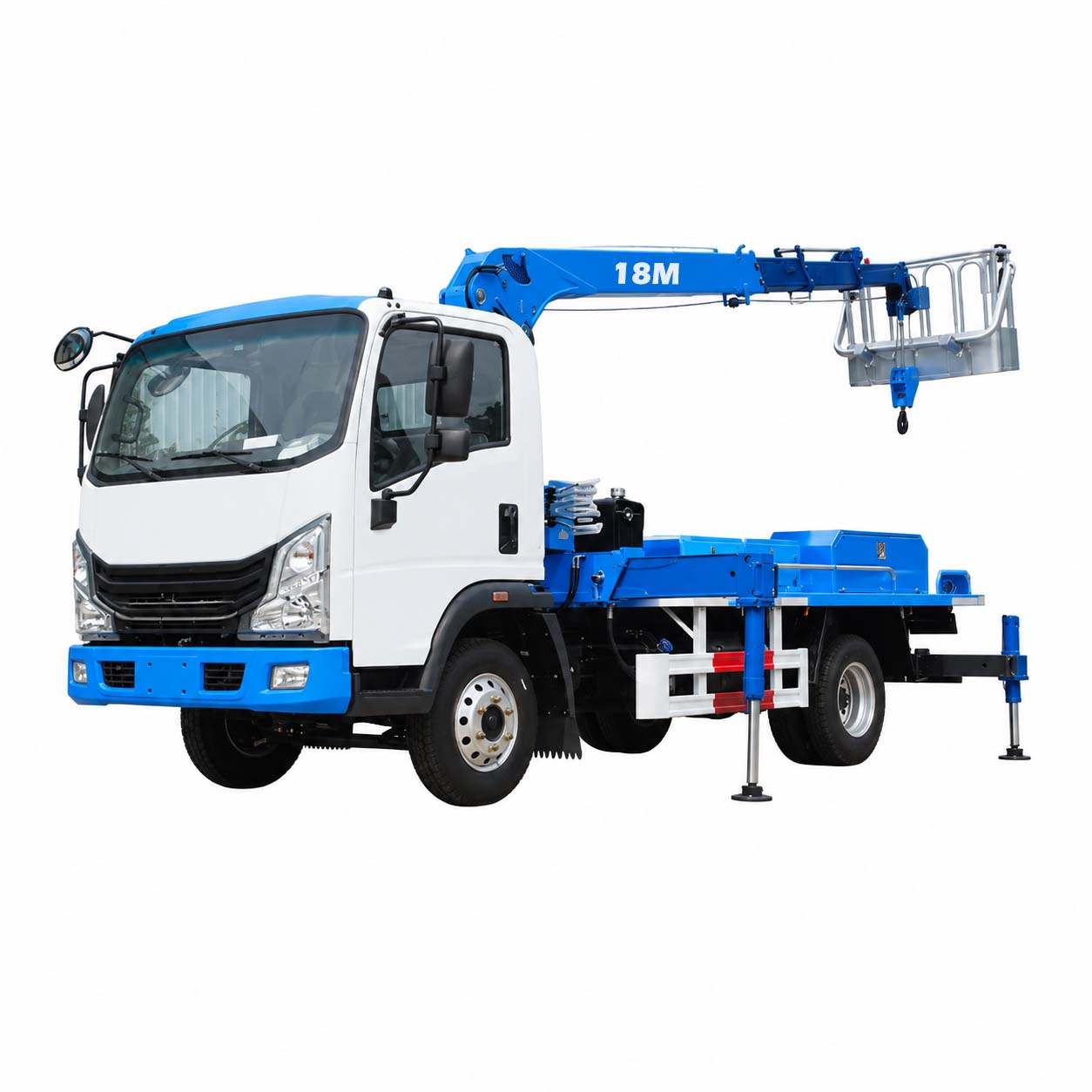
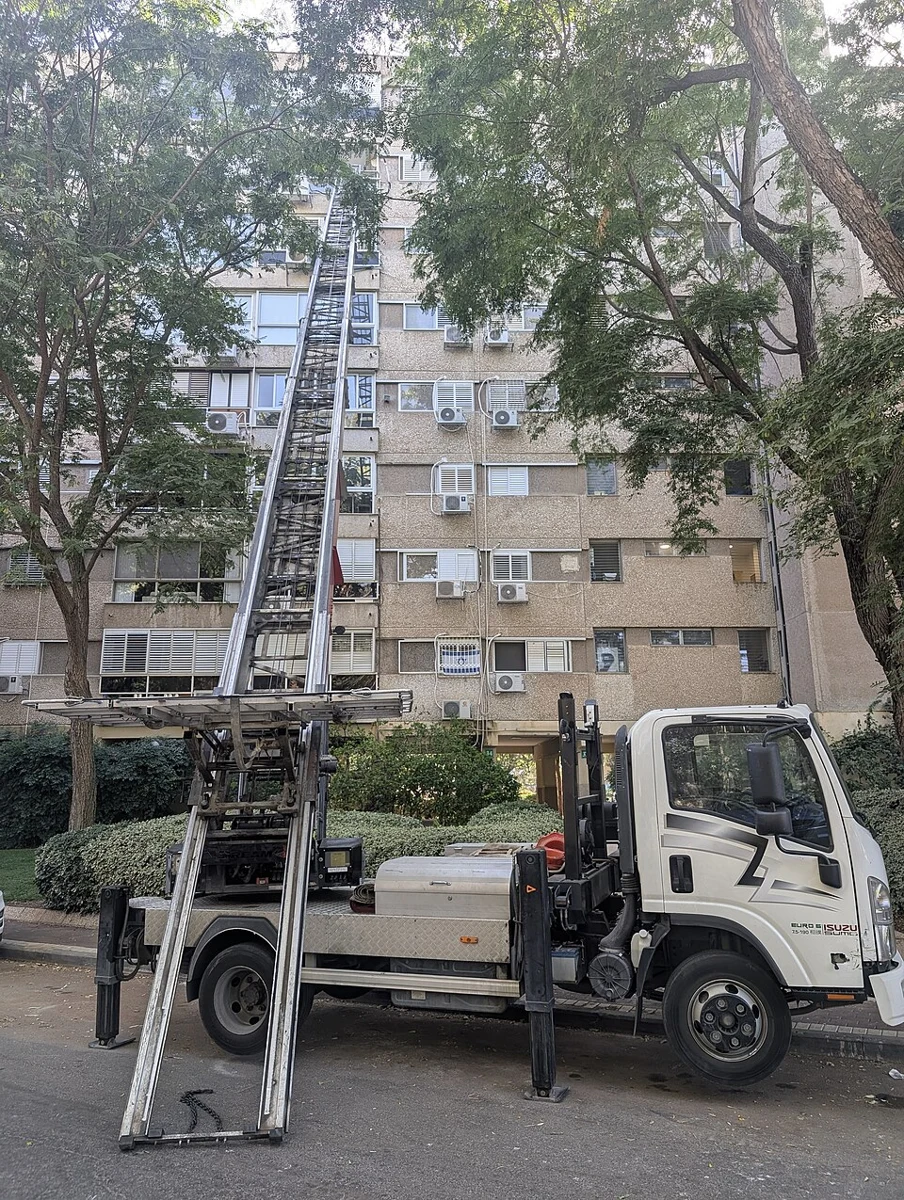
Sources reviewed 22 October 2026. This article summarizes general selection and planning considerations. Use the instructions and approved limits for the supplied equipment; regulatory requirements vary by destination. Referenced third-party equipment is shown for industry context.

ارسال نظر