



A specialized vehicle quotation is useful only when the equipment specification and supply scope are clear. International buyers should compare the finished vehicle, intended application, destination requirements and handover arrangements together. A headline price or maximum height does not describe the complete offer.
This checklist is intended for distributors, rental fleets and project buyers comparing aerial work platform trucks, truck-mounted cranes and ladder lift trucks. It helps organize questions before an order; the destination authorities and the written agreement determine the approvals and deliverables that apply.
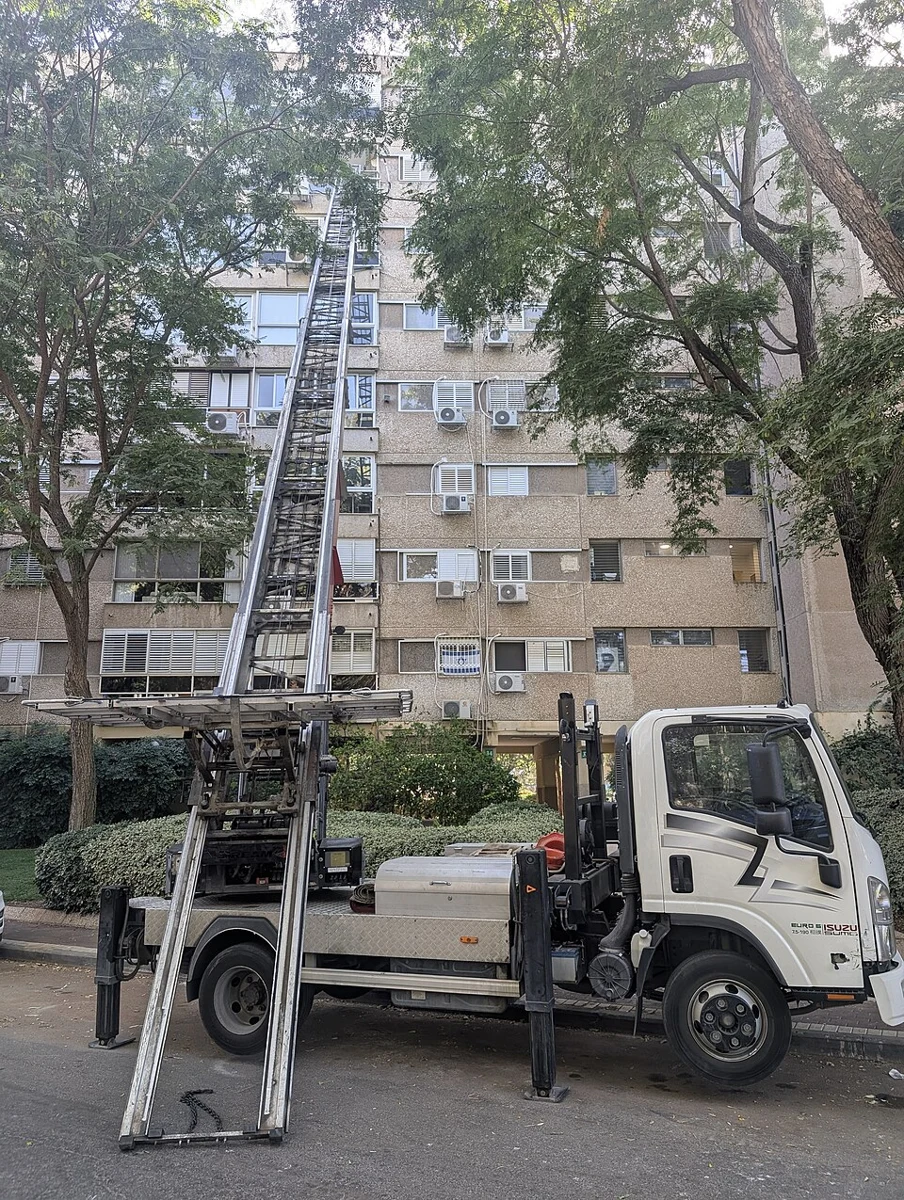
Key takeaway: Prepare a clear inquiry for aerial platform trucks, loader cranes or ladder lifts, covering application, chassis, documents, delivery and handover.
Turn the application into measurable requirements
State whether the truck will position people, handle suspended loads or transfer materials along a ladder. Add load mass and dimensions, height, horizontal distance, typical site photos and access restrictions. Explain representative jobs rather than asking only for the largest machine within a budget. Different operating positions may require different configuration checks.
Define the finished chassis and superstructure
Request chassis identification, steering position, dimensions, wheelbase, permitted masses and axle-load information for the completed installation. Clarify stowed height, cargo space where relevant and the stabilizer footprint. Confirm how optional equipment affects the quotation and technical data. A bare chassis specification does not prove the completed truck meets the intended road or loading requirements.
Agree the destination document list early
Discuss emissions, registration, import paperwork and any inspection or certification requirements with the importer, customs broker and competent local authority. Ask which documents are included, in which language and for which exact configuration. A general claim such as “export ready” is not a substitute for checking the destination’s actual requirements.
Write down delivery and receiving responsibilities
Confirm the agreed trade terms, collection or dispatch point, transport dimensions and unloading arrangements. Identify who handles transport preparation, shipping documents and receipt inspections. Check the vehicle against the agreed model and equipment list on arrival, and document visible damage or discrepancies before putting it into service.
Plan handover, inspection and ongoing support
Agree the supplied manuals, familiarization, maintenance information, parts-identification process and warranty terms. HSE guidance illustrates why trained operators, planned lifting and equipment inspection matter, while the local regime must be checked separately. Do not assume onsite attendance, registration approval or unlimited remote support is included unless the agreement says so.
Practical checklist
- Application, operating positions, loads and destination country.
- Finished-vehicle specification, options and approved working limits.
- Confirmed destination document and approval requirements.
- Written delivery, handover, inspection and support responsibilities.
Frequently asked question
What should I send with the first quotation request?
Send the intended task, destination country, required working position, load or personnel requirements and site photos. Add chassis preferences and any known registration or documentation rules. This gives the supplier a basis for reviewing a configuration and helps you compare offers against the same requirements.
Discuss your application with TRODAT
Explore our specialized vehicle range En selection and configuration services. Send your equipment requirements, destination country and site information so we can discuss the appropriate model and supply scope.
Sources and further reading
- HSE: Mobile elevating work platforms
- HSE: Planning and organising lifting operations
- Böcker: Furniture lifts
Sources reviewed 22 October 2026. This article summarizes general selection and planning considerations. Use the instructions and approved limits for the supplied equipment; regulatory requirements vary by destination. Referenced third-party equipment is shown for industry context.

Plaats een reactie