



Choosing an aerial work platform truck starts with the work position, not the largest height printed in a brochure. Buyers need to match the basket location, combined platform load, access route and stabilizer footprint to the actual job. A vehicle that reaches vertically may still be unsuitable when a wall, canopy or setback keeps the chassis away from the work.
For distributors, maintenance contractors and rental fleets, a short site survey makes quotations easier to compare. HSE guidance on mobile elevating work platforms emphasizes selecting equipment for both the job and the site, alongside planning, training and inspection.
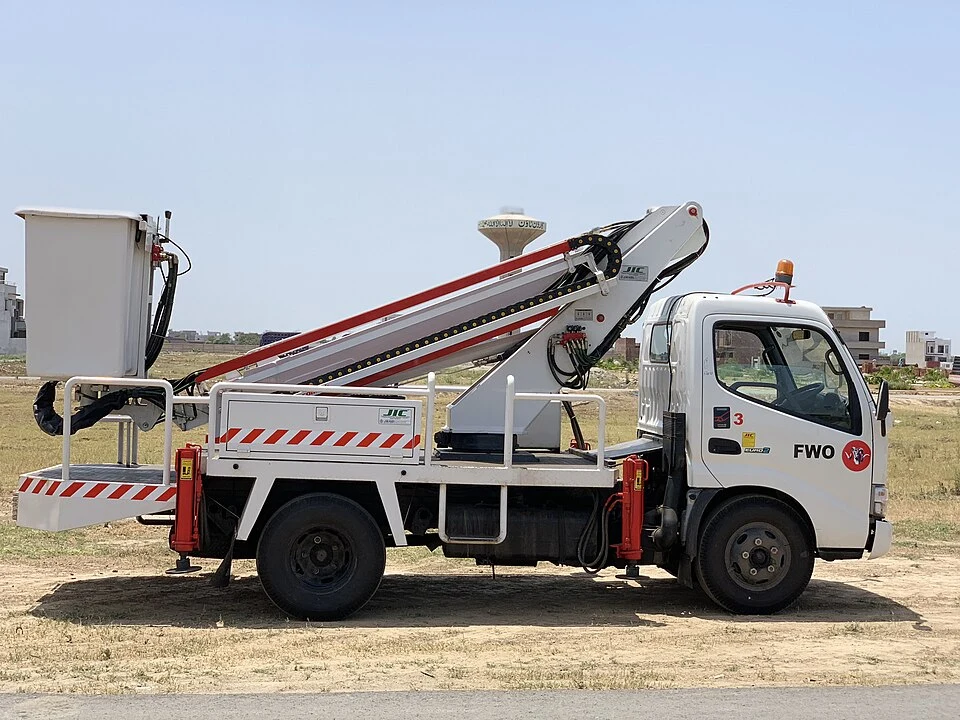
Key takeaway: Compare working height, outreach, basket load and site access before selecting an aerial work platform truck for maintenance or utility projects.
Working height and platform height are different
Working height usually describes an assumed operator reach above the platform floor; platform height describes the floor elevation itself. The relationship depends on the supplier’s definition. Ask for both figures, their reference points and the applicable working-envelope drawing. Do not add a generic allowance to one catalogue and compare the result with another supplier’s published working height.
Check outreach at the required height
Measure the horizontal distance from the permitted truck position to the work face. Include obstacles between them, not just the distance to the building wall. Request the approved envelope for the intended basket load and stabilizer configuration. Maximum outreach, maximum height and maximum basket capacity may refer to different operating positions rather than one simultaneous capability.
Count people, tools and materials together
Basket capacity must cover everyone and everything carried in the platform. Discuss tool storage, material dimensions and distribution as well as total mass. A long panel can introduce handling and wind problems even when its weight appears acceptable. Never assume that an access basket is suitable for lifting an external suspended load.
Match the chassis to the route and setup area
Record the narrowest access width, turning restrictions, overhead obstructions and parking conditions. The truck’s travel dimensions do not describe the space needed with outriggers deployed. HSE identifies trenches, manholes and uncompacted ground as potential overturning hazards. Ground suitability and any spreader arrangements require assessment before the platform is raised.
Prepare for operation after delivery
Ask which manuals, familiarization arrangements, emergency-lowering information and inspection records are supplied. A person on the ground should understand the rescue arrangements for the machine. Destination registration, operator qualifications and periodic examination requirements must be checked for the country where the truck will be used.
Practical checklist
- Required basket position and access restrictions.
- People, tools and material loads.
- Working-envelope drawing and approved setup configurations.
- Chassis dimensions, local servicing and destination requirements.
Frequently asked question
Is the tallest platform always the best choice?
No. A taller model can require more road space and setup area without improving access to your actual work position. Compare the approved operating envelope, basket loading and chassis access against representative jobs. Choose the configuration that meets those jobs, rather than ranking vehicles by maximum height alone.
Discuss your application with TRODAT
Explore our aerial work platform trucks e selection and configuration services. Send your equipment requirements, destination country and site information so we can discuss the appropriate model and supply scope.
Sources and further reading
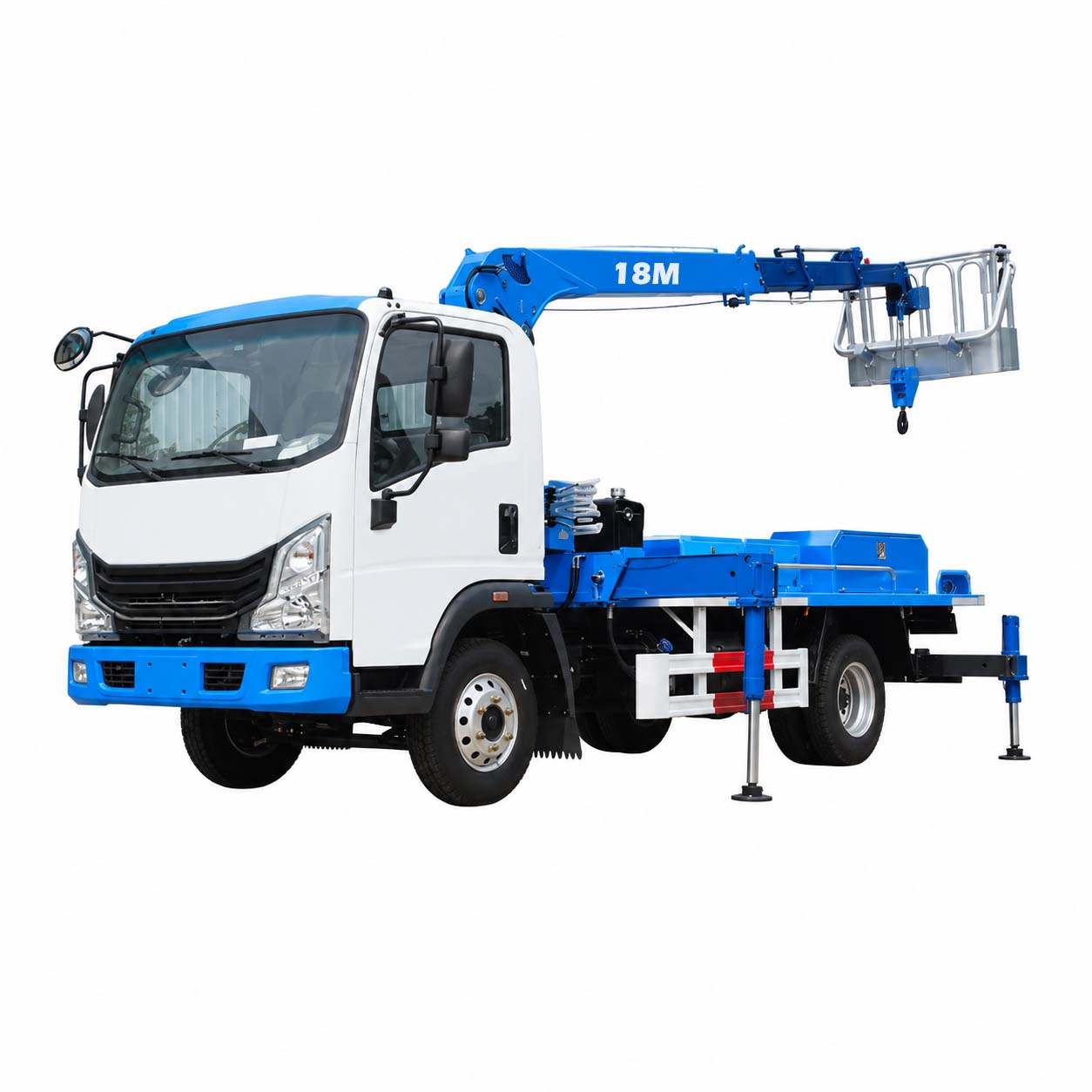
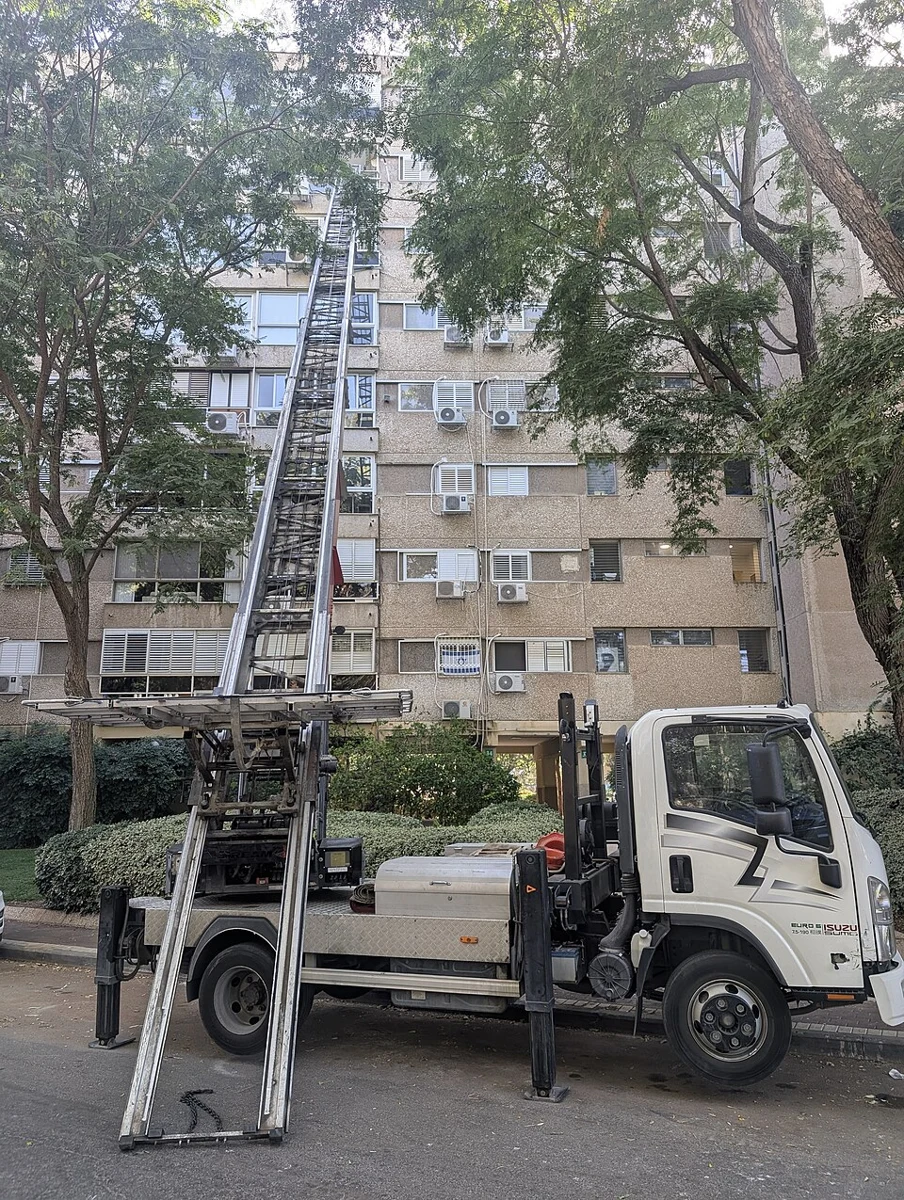
Sources reviewed 22 October 2026. This article summarizes general selection and planning considerations. Use the instructions and approved limits for the supplied equipment; regulatory requirements vary by destination. Referenced third-party equipment is shown for industry context.

Postar comentário