



Wind, overhead structures and nearby services can change an aerial access job even when the requested working height appears straightforward. The platform’s reach does not establish permission to operate under every weather or proximity condition. The plan must account for the machine, the site and what people will carry in the basket.
HSE identifies collisions, entrapment and overturning among the major MEWP hazards and advises selecting suitable equipment, managing the work and planning rescue. These concerns belong in the job assessment before the platform leaves its stowed position.
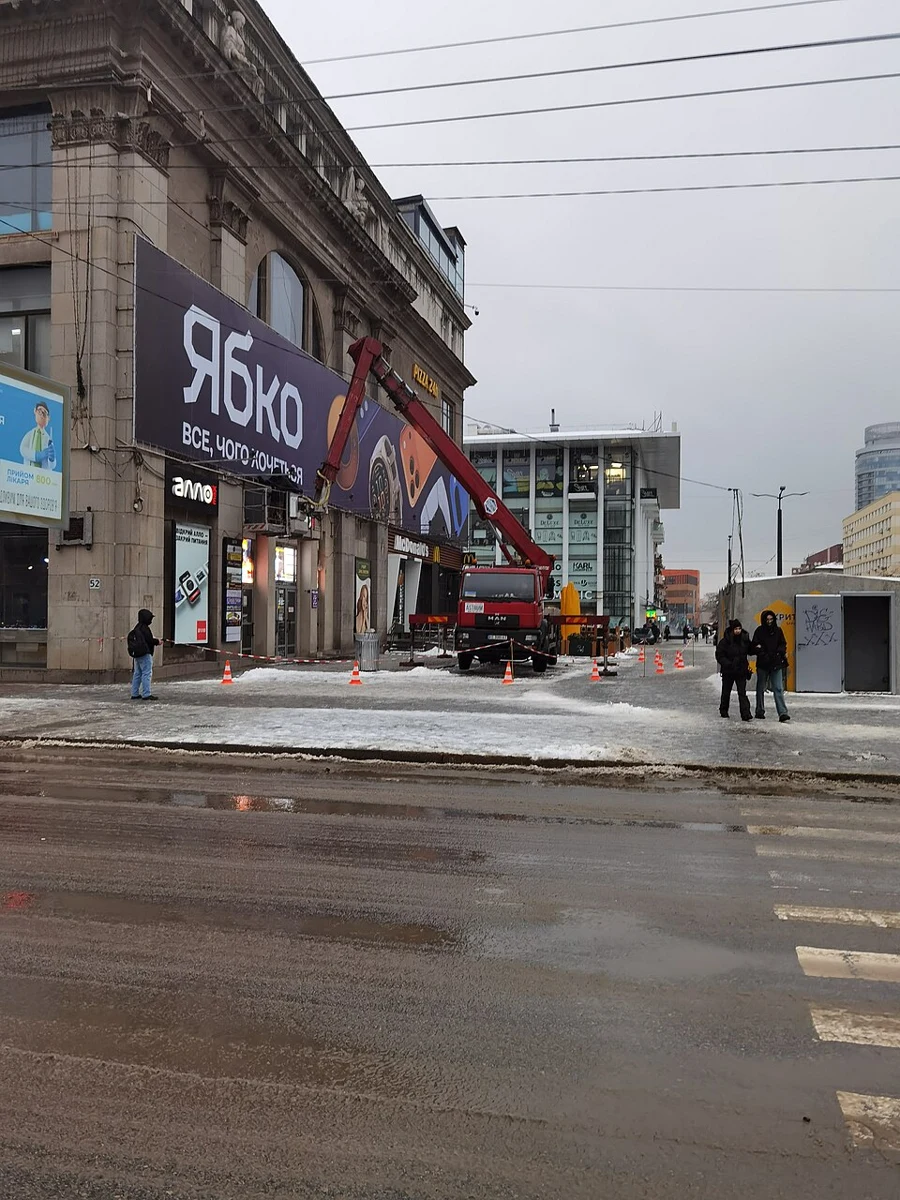
Key takeaway: Plan aerial platform truck work around model-specific wind limits, overhead structures, electrical hazards and a practical ground rescue arrangement.
Use the wind limit for the actual configuration
Obtain the manufacturer’s wind restrictions and the stated measurement or monitoring requirements. There is no single wind speed that can be safely assigned to every aerial platform truck. Gusts, exposed positions and local airflow around buildings may matter. If the conditions exceed or cannot be assessed against the operating limits, suspend the work and reassess.
Consider the materials carried in the basket
A sheet, sign or panel can catch wind and be difficult to control. Its area, shape and handling arrangement matter in addition to weight. Ask whether the manufacturer permits the proposed material handling and any attachments. Do not treat the platform’s basket capacity as approval for every item that falls below that mass.
Map obstructions throughout the basket movement
Roof edges, steelwork, canopies and building projections can create trapping points between the basket and a fixed object. Assess the route to the work position, not just the final location. Operators need a suitable view and familiarization with the specific controls. Protected controls or other features require model-specific assessment rather than assumptions based on similar machines.
Treat overhead electrical services as a separate hazard
Identify nearby lines and consult the responsible electricity provider and local rules before planning work near them. Do not apply an invented universal clearance or assume a line is safe because it looks insulated. The movement of the boom, basket, tools and materials all needs to be considered in the agreed controls.
Prepare the ground response before raising people
Someone on the ground should know the rescue arrangements and how to use the relevant ground controls. Check access to those controls, communication and the equipment needed for the planned response. If weather deteriorates or an obstruction creates an unsafe situation, follow the approved procedure rather than improvising a transfer from the basket.
Practical checklist
- Current wind conditions and manufacturer operating restrictions.
- Wind-sensitive materials and approved basket arrangements.
- Overhead structures and electrical-service assessment.
- Communication, clear ground controls and a practiced rescue plan.
Frequently asked question
Can a wind reading at ground level settle the decision?
Not necessarily. Conditions at an exposed work position may differ from those at the vehicle. Follow the machine’s instructions and the site assessment for where and how to monitor conditions. If the required information or control cannot be established, postpone the task until suitable arrangements are in place.
Discuss your application with TRODAT
Explore our aerial work platform trucks и selection and configuration services. Send your equipment requirements, destination country and site information so we can discuss the appropriate model and supply scope.
Sources and further reading
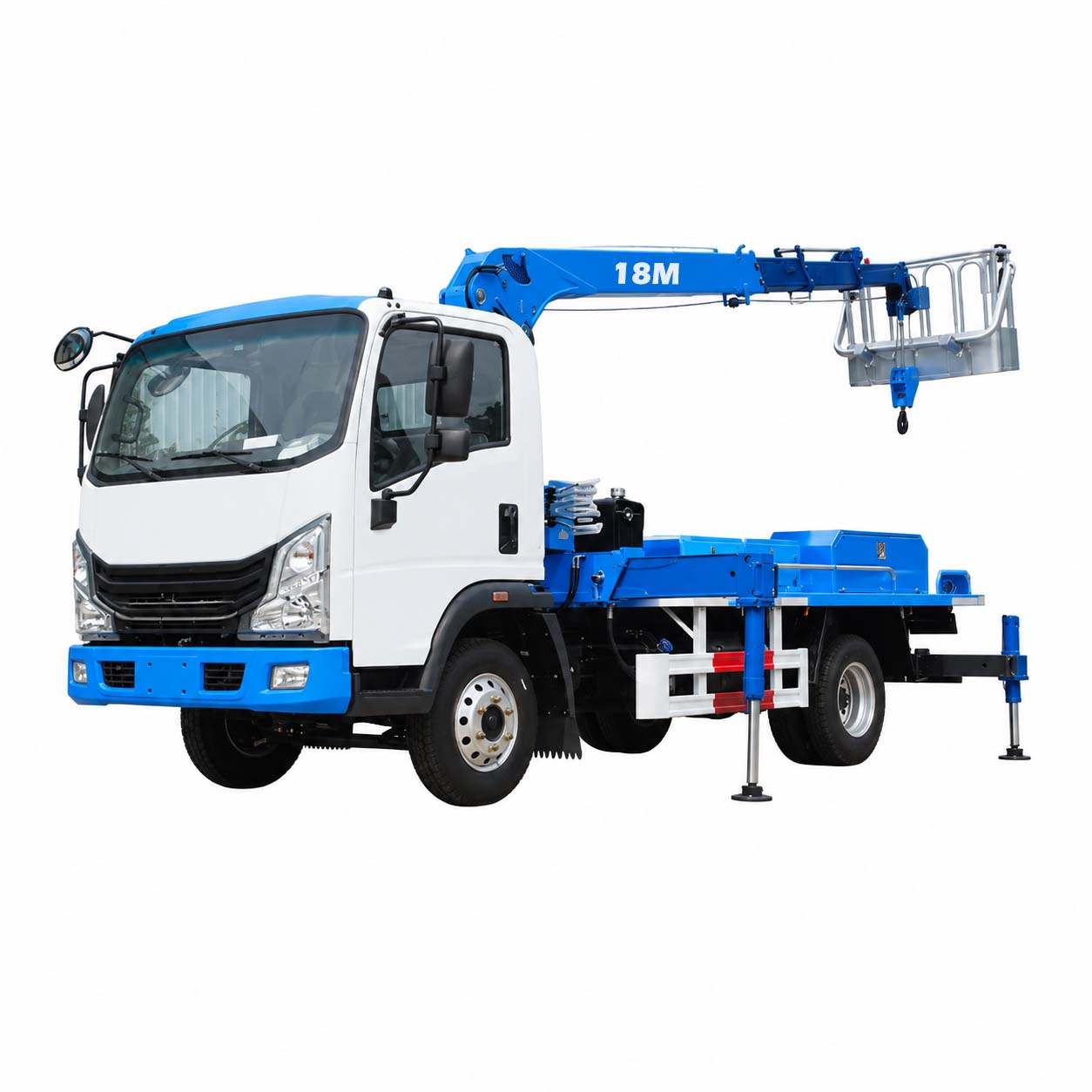
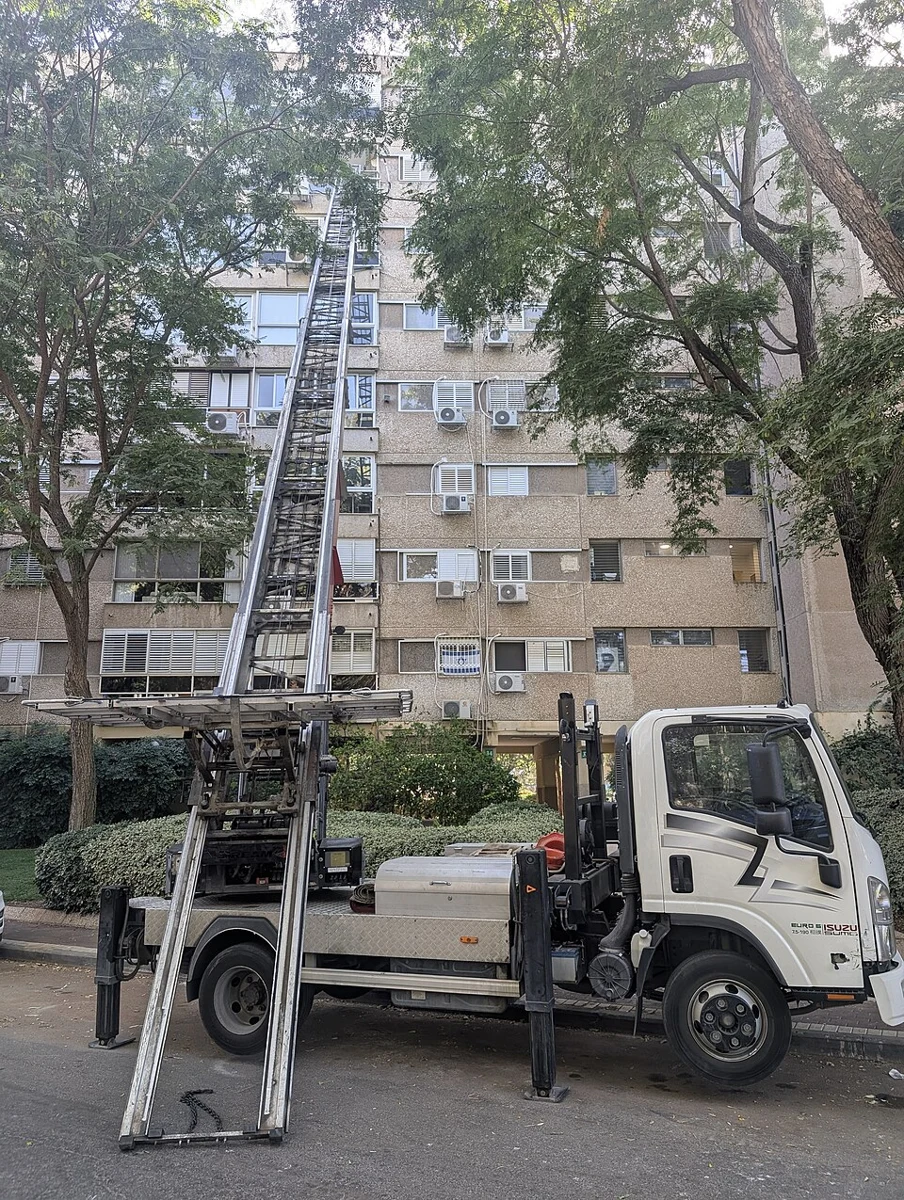
Sources reviewed 22 October 2026. This article summarizes general selection and planning considerations. Use the instructions and approved limits for the supplied equipment; regulatory requirements vary by destination. Referenced third-party equipment is shown for industry context.

Оставить комментарий