



A daily inspection helps identify visible defects and operating problems before an aerial platform truck is used. It must follow the manufacturer’s checklist for the specific machine, the operator’s training and local requirements. A generic blog checklist can help organize the process but cannot certify that a particular vehicle is safe.
HSE recommends daily visual checks, regular inspection and servicing based on the manufacturer’s instructions and equipment risks. It also calls for prompt defect reporting and removal from service where a defect is safety critical.
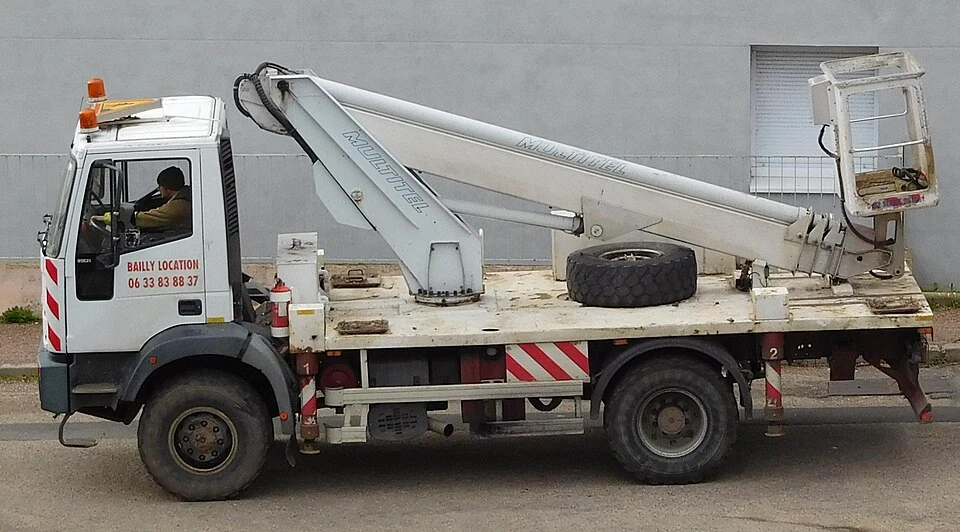
Key takeaway: Use this planning checklist to organize pre-use visual checks, control checks and defect reporting for a truck-mounted aerial work platform.
Start with the vehicle and equipment identification
Confirm which chassis and superstructure are being checked, who is authorized to operate them and whether required inspections are current. Review open defect reports rather than relying only on the previous shift’s verbal handover. Find the correct operating manual and check that equipment labels and the operating limits are legible.
Carry out the prescribed walk-around
Look for damage, loose or missing components and signs of leakage on the chassis, boom, basket and supporting equipment. Check items specified in the manual, such as tires, stabilizer feet, access gates, guardrails and attachment points. Inspect from a safe position; do not climb onto an unapproved area or reach into a pinch point to complete the check.
Check controls in the designated safe test area
Follow the approved sequence for control stations, emergency stops and the specified safety functions. Ensure the area is clear and the truck has the required setup before functional movement. Emergency lowering and ground controls need a planned familiarization or test procedure; do not invent a loaded test or disable an interlock to see what happens.
Inspect the proposed workplace as well
A successful machine check does not approve the site. Assess the ground, outriggers, overhead obstructions, electrical hazards, traffic and weather separately. Establish barriers and the rescue arrangement for that location. A different site or changed operating conditions can require a fresh review even if the truck has already worked earlier that day.
Record defects and keep unsafe equipment out of use
Write a clear fault description with the vehicle identification, date and supporting photos where appropriate. Mark or isolate the machine under the employer’s procedure if a safety-critical issue is suspected. A competent person should decide the repair and return-to-service steps. Do not hide an intermittent fault by repeatedly resetting the machine.
Practical checklist
- Correct manual, operator authorization and inspection status.
- Prescribed chassis, structure, basket and stabilizer visual checks.
- Approved control and safety-function checks.
- Site assessment, rescue arrangements and documented defect reporting.
Frequently asked question
Does a daily check replace a periodic thorough examination?
No. Pre-use checks, servicing and formal examination have different purposes. HSE describes periodic thorough examination for UK work equipment, but its legal intervals must not be presented as worldwide rules. Confirm the examination regime for your destination and arrange the required competent-person assessment separately from daily checks.
Discuss your application with TRODAT
Explore our aerial work platform trucks และ selection and configuration services. Send your equipment requirements, destination country and site information so we can discuss the appropriate model and supply scope.
Sources and further reading
Sources reviewed 22 October 2026. This article summarizes general selection and planning considerations. Use the instructions and approved limits for the supplied equipment; regulatory requirements vary by destination. Referenced third-party equipment is shown for industry context.

แสดงความคิดเห็น